
Aaron, a technology professional based in Silicon Valley, had been concerned about his blood sugar for several years. He wanted more than a routine physical — he wanted to understand whether underlying risks might already be affecting other areas of his health.
Aaron's interest in sleep health was shaped partly by an earlier experience in the United States. Around 2006, he recalls undergoing an evaluation within the Stanford health system that included an overnight hospital stay for sleep monitoring.
He recalls that the total charges associated with that episode of care exceeded US$100,000. His insurance covered the cost, but the experience left a lasting impression on him — not only because of the amount billed, but also because an overnight sleep evaluation could involve such substantial healthcare expenditure.
Because the event occurred nearly two decades ago and the original medical and billing records are no longer available, this figure reflects Aaron's personal recollection. The scope of care, billing structure, and clinical circumstances cannot be directly compared with his later experience in Shanghai.
Years later, with Kaiyan's coordination, Aaron completed a comprehensive VIP health checkup at Jiahui International Hospital in Shanghai, followed by an overnight sleep study.
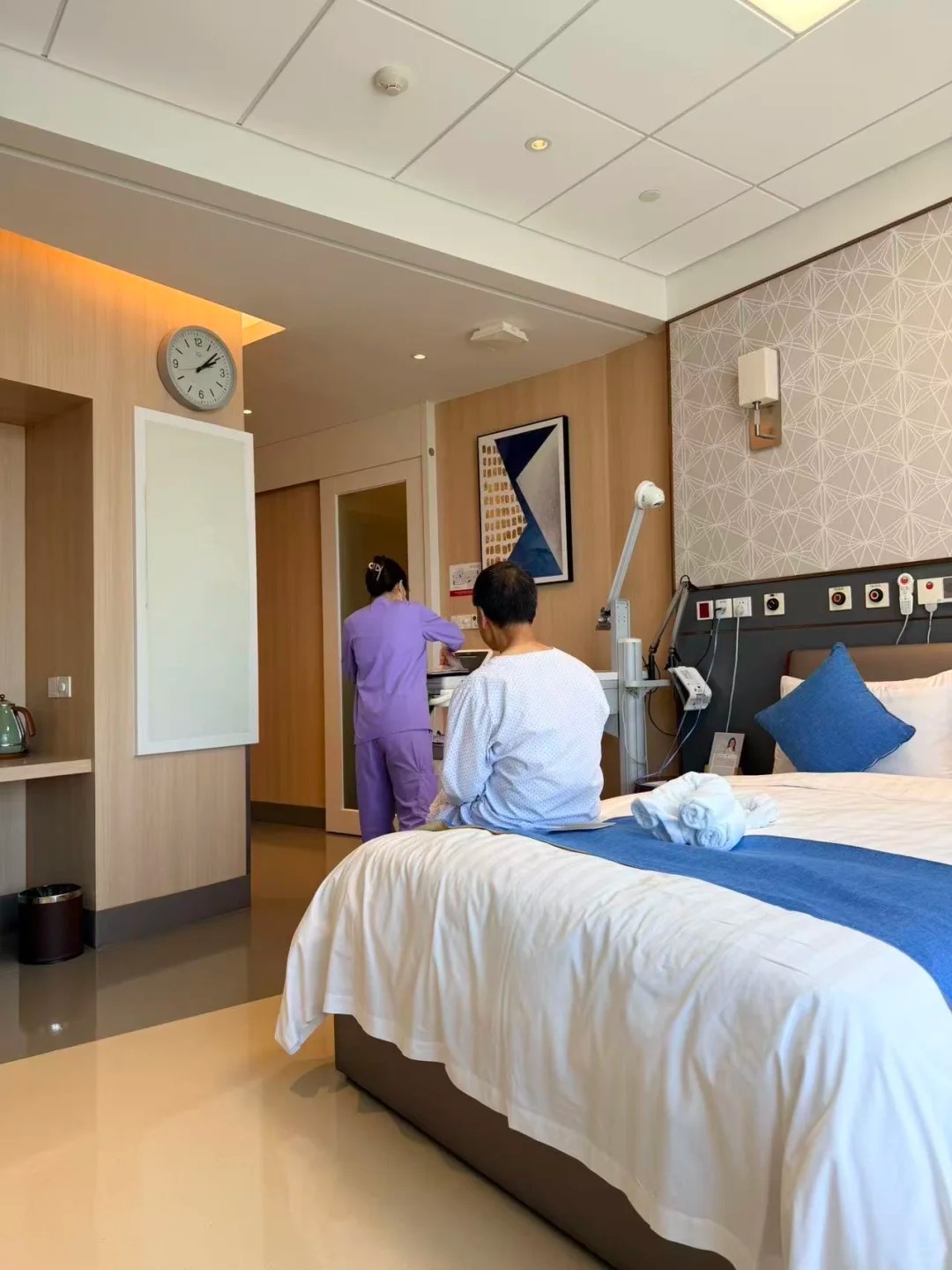
The assessment covered multiple areas of health, including cardiovascular and metabolic screening, diagnostic imaging, liver and kidney function, thyroid function, diabetes screening, and other age- and risk-appropriate evaluations. The entire process took approximately one and a half days.
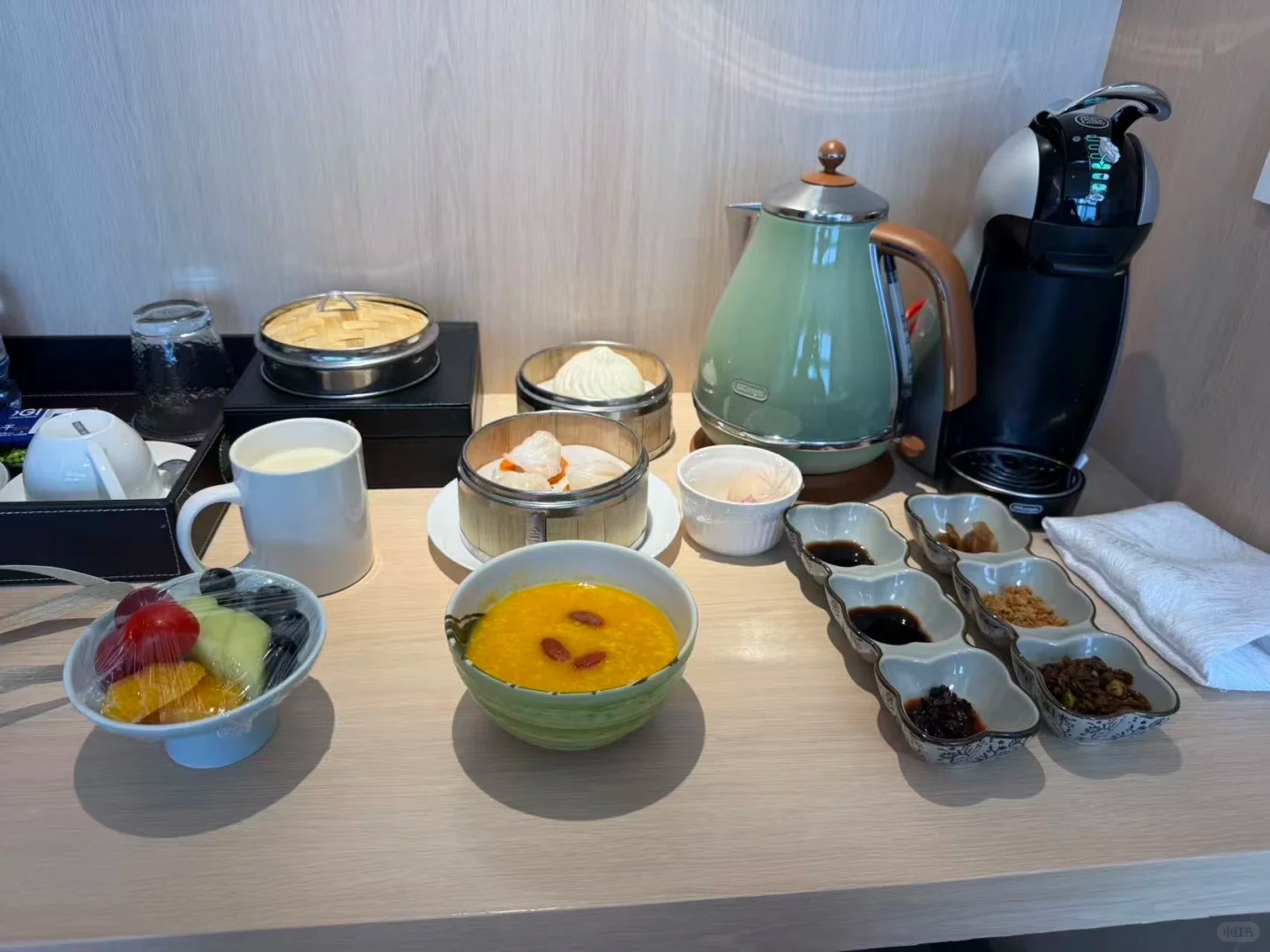
For most examinations, Aaron remained in a private hospital suite. Doctors and nurses came to his room, and he only needed to leave for tests requiring larger medical equipment. The room was quiet and private, with its own bathroom and amenities. Meals were served in the suite, including a thoughtfully prepared breakfast with congee, fruit, steamed dishes, and a selection of Chinese breakfast items.
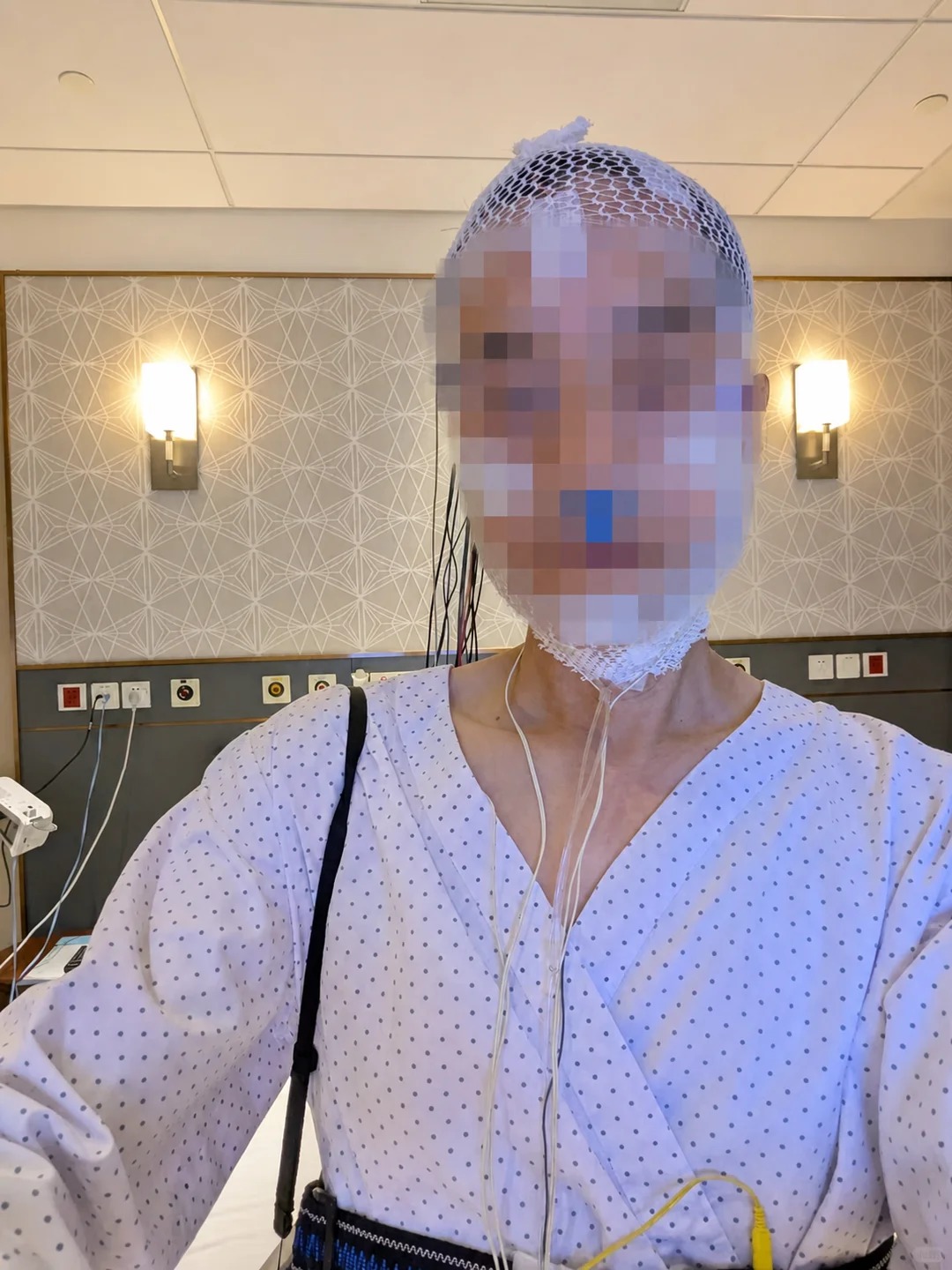
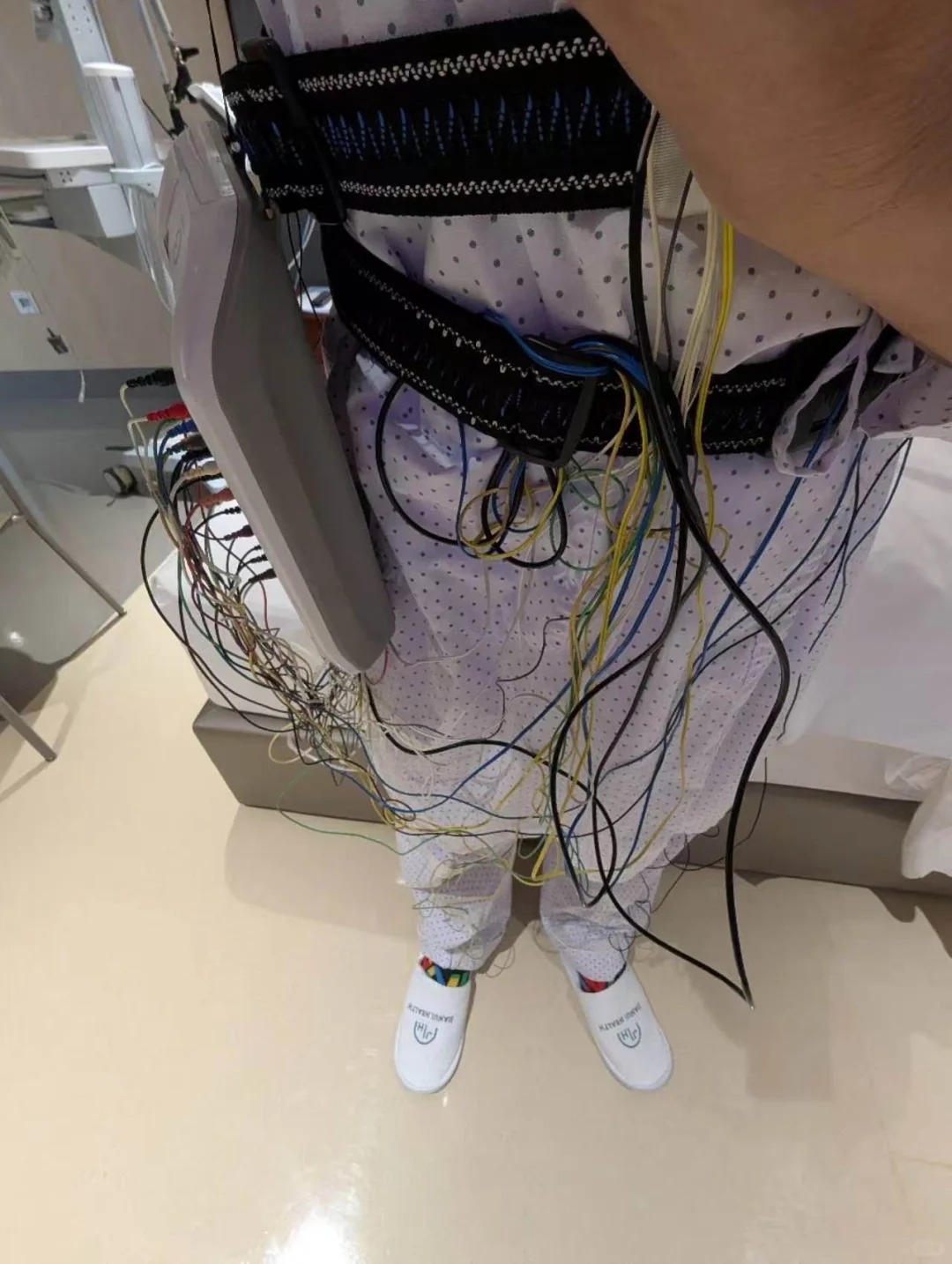
Obstructive sleep apnea (OSA) is not the same for every patient. An overnight sleep study can help determine how frequently breathing is interrupted, whether oxygen levels fall, and whether the events are influenced by sleep position or sleep stage.
Untreated sleep apnea may raise the risk of health problems including high blood pressure, type 2 diabetes, heart disease, and stroke. A sleep study therefore does more than explain snoring or poor sleep — it can reveal information relevant to a person's broader health picture. The appropriate interpretation and treatment plan should always be determined by a qualified sleep-medicine professional.
Aaron shared that, following the sleep study and clinical review, he was informed that his breathing disruptions were more pronounced in certain sleeping positions — a pattern commonly described as positional OSA.
This distinction may influence care planning. For some patients, clinicians may consider positional strategies as part of an individualized management plan. Depending on the severity of OSA and the patient's clinical circumstances, other options may include a custom oral appliance or positive airway pressure therapy.
Positive airway pressure treatment is not one-size-fits-all. CPAP provides continuous pressure, APAP adjusts pressure within a prescribed range, and BPAP provides different pressure levels during inhalation and exhalation. BPAP and procedural or surgical approaches may be considered in selected cases following specialist evaluation.
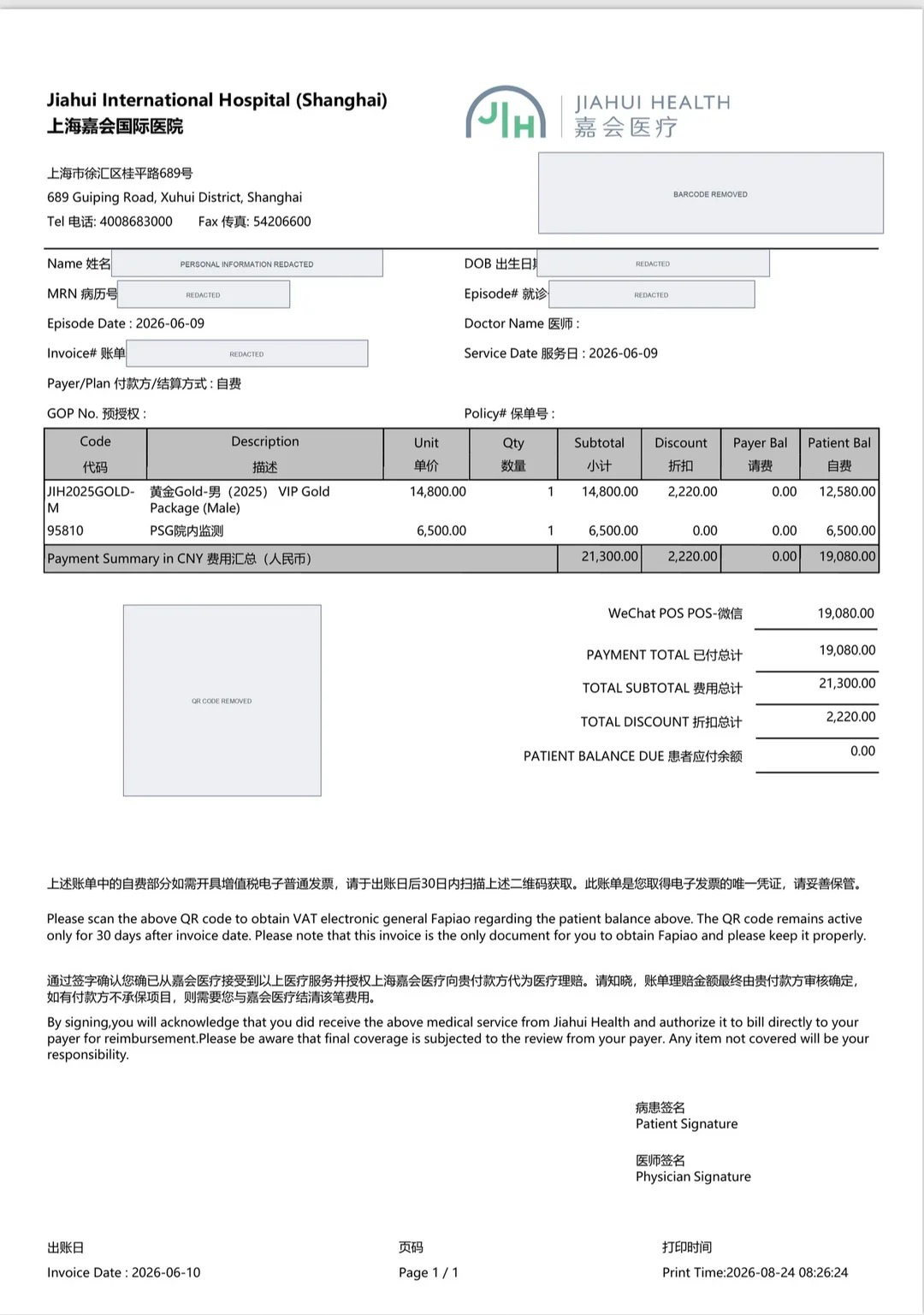
The final hospital invoice showed:
At an exchange rate of RMB 6.77 per US dollar, the total was approximately US$2,818.
This amount reflects hospital medical charges only. It does not include Kaiyan's service fee or travel-related expenses. Individual costs may vary depending on the medical institution, selected examinations, clinical needs, and exchange rate.
The point is not that one healthcare system is universally "better" than another. It is that patients may have more options than they realize.
When care is carefully planned, appropriately matched, and responsibly coordinated, cross-border healthcare can offer a different combination of access, time, clinical depth, cost, and patient experience.
Aaron's experience also illustrates what Kaiyan means by healthcare orchestration: understanding the client's concerns, identifying an appropriate medical pathway, coordinating appointments and logistics, and helping the client navigate an unfamiliar healthcare system with greater clarity and confidence.
This experience is shared with the individual's permission. "Aaron" is a pseudonym, and identifying features in the accompanying images have been obscured.
Kaiyan does not provide medical diagnosis or treatment. Clinical decisions and medical services are provided by licensed physicians and medical institutions. Individual needs, suitability, costs, and outcomes vary.
← Back to Blog